
-
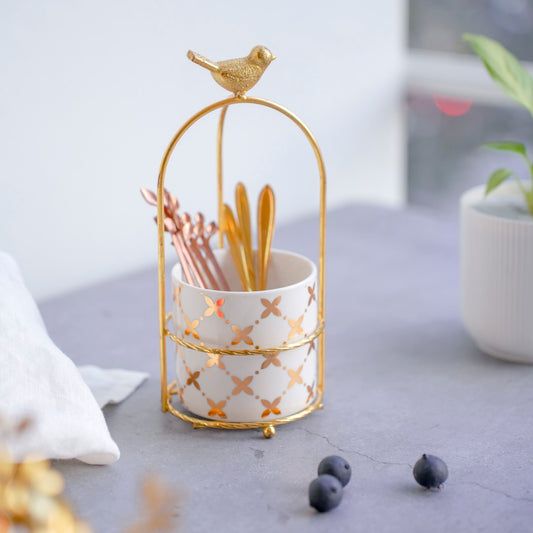
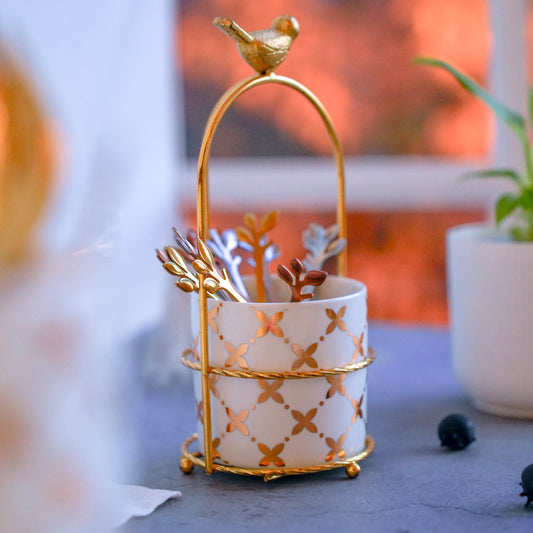
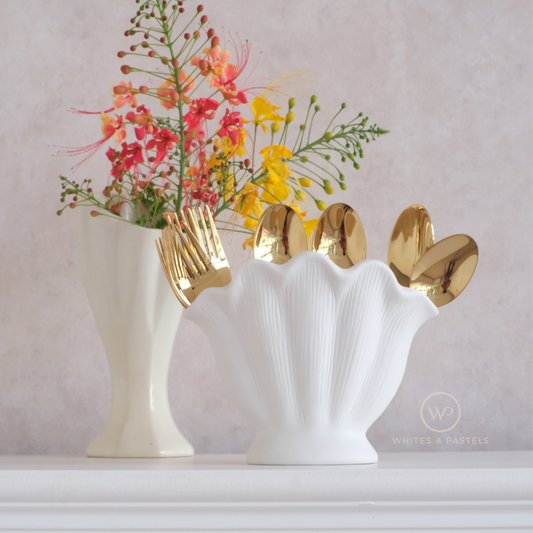
Cutlery Stand - White & Gold
Vendor:Whites & PastelsRegular price Rs. 1,499.00Regular priceUnit price perRs. 2,699.00Sale price Rs. 1,499.00Sale -
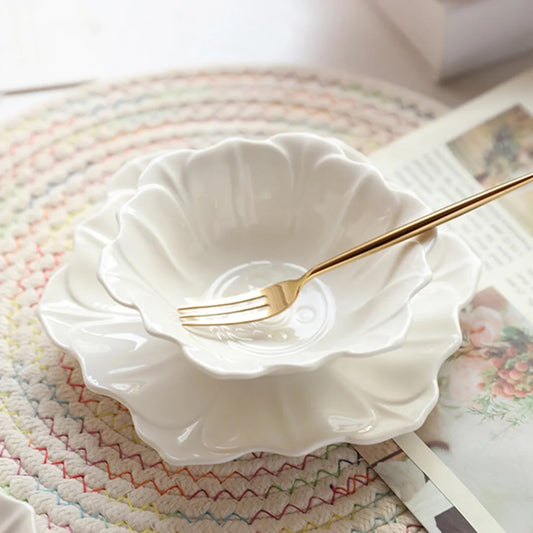
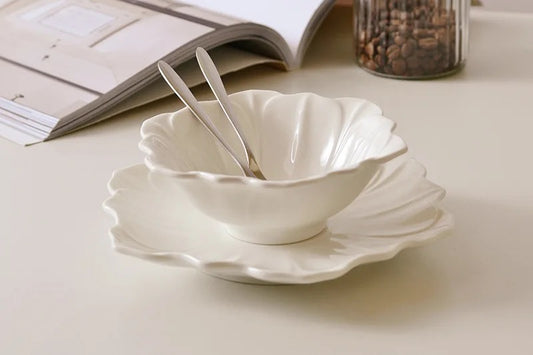
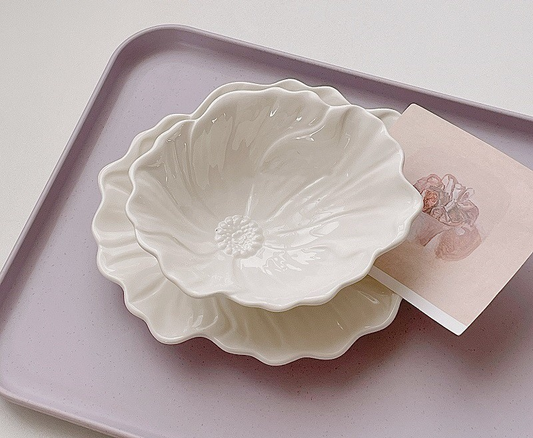
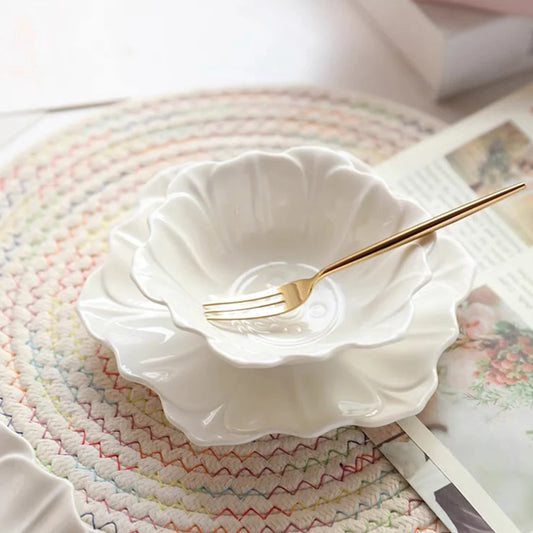
Dessert Bowl & Plate Set | Embossed Lotus Flower | Luxury Ceramic Porcelain
Vendor:Whites & PastelsRegular price Rs. 1,299.00Regular priceUnit price perRs. 2,999.00Sale price Rs. 1,299.00Sale -
European Embossed Snack Plate | 8 inch| Ivory
Vendor:Whites & PastelsRegular price Rs. 1,499.00Regular priceUnit price perRs. 2,499.00Sale price Rs. 1,499.00Sale -
Cutlery Stand - Large size - White & Gold - Multipurpose Dining and Home Decor Organizer
Vendor:Whites & PastelsRegular price Rs. 1,999.00Regular priceUnit price perRs. 3,699.00Sale price Rs. 1,999.00Sold out -
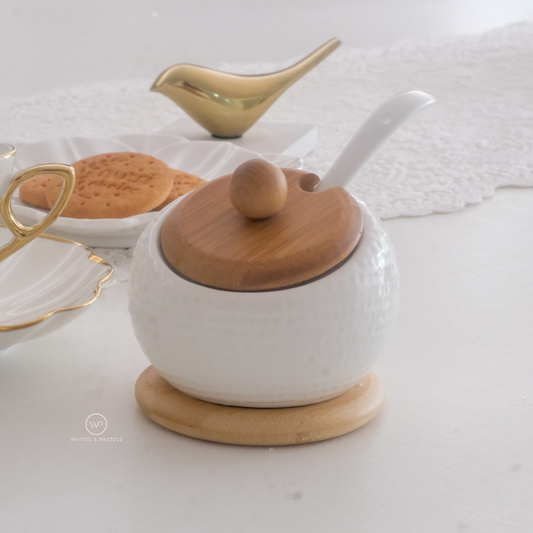
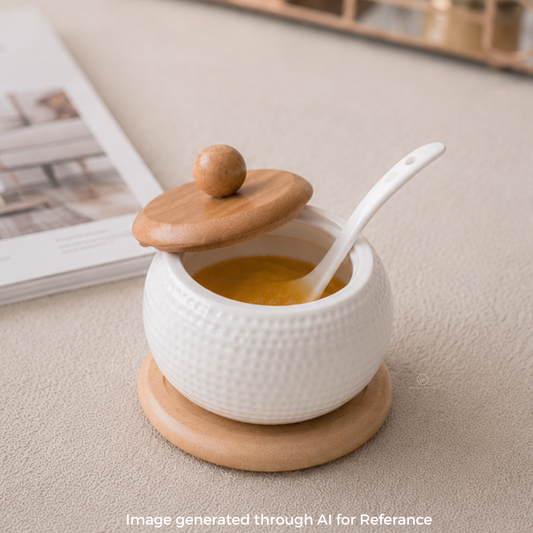
Ceramic Ghee Pot with Lid & Spoon – 300ml | Microwave Safe
Vendor:Whites & PastelsRegular price Rs. 1,099.00Regular priceUnit price perRs. 1,999.00Sale price Rs. 1,099.00Sale -
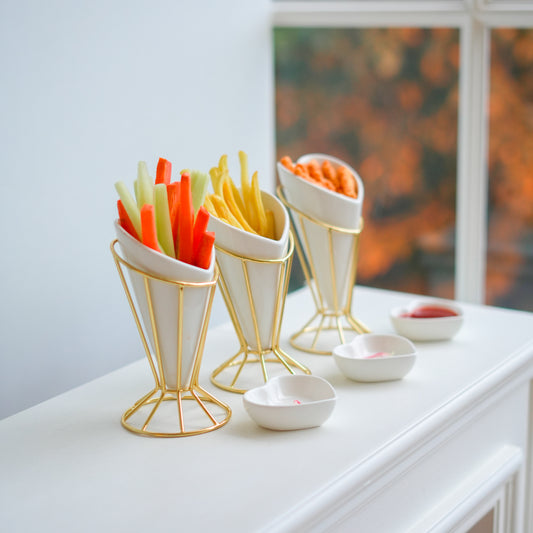
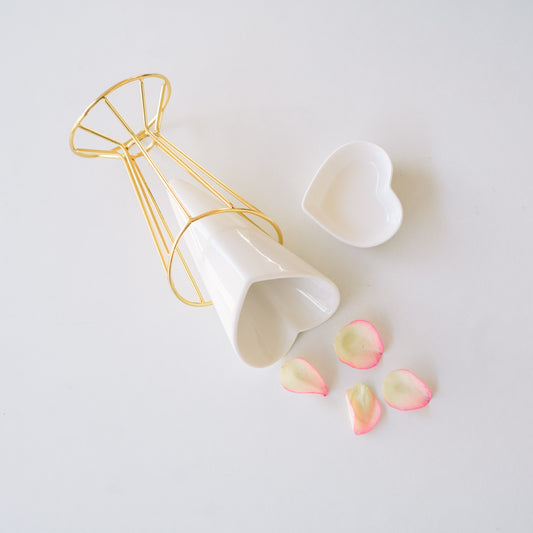
Heart Snack Cone with Gold Stand & Dip Bowl | Luxury Porcelain Serveware
Vendor:Whites & PastelsRegular price From Rs. 2,199.00Regular priceUnit price per -
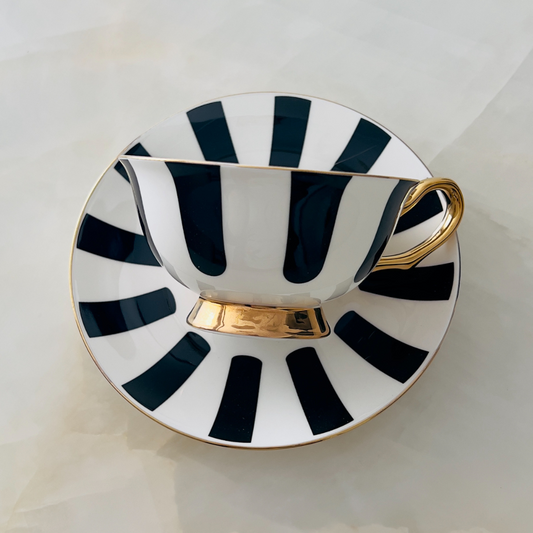
French Cup & Saucer - Black White & Gold
Vendor:Whites & PastelsRegular price From Rs. 1,999.00Regular priceUnit price perRs. 3,600.00Sale price From Rs. 1,999.00Sale -
White Porcelain Creamer Jar | Floral Milk Jug | 180 ml
Vendor:Whites & PastelsRegular price Rs. 1,100.00Regular priceUnit price perRs. 1,499.00Sale price Rs. 1,100.00Sale -
French Embossed Snack Plate - 6 inch Lotus shape
Vendor:Whites & PastelsRegular price Rs. 799.00Regular priceUnit price perRs. 1,699.00Sale price Rs. 799.00Sale -
Cherry Blossom | Dessert Bowl & Plate Set | Luxury Embossed Porcelain
Vendor:Whites & PastelsRegular price Rs. 1,299.00Regular priceUnit price perRs. 2,999.00Sale price Rs. 1,299.00Sale -
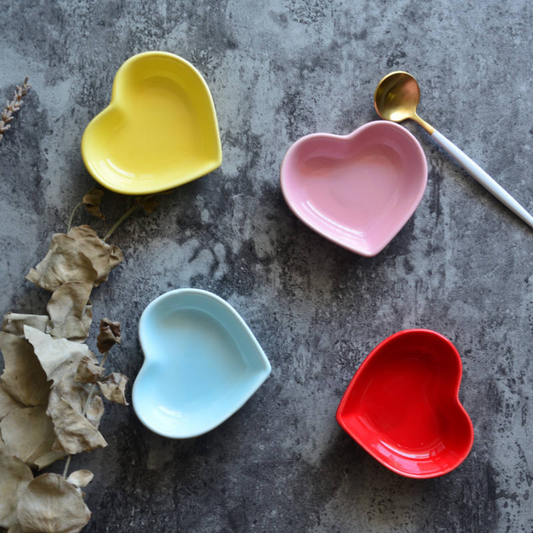
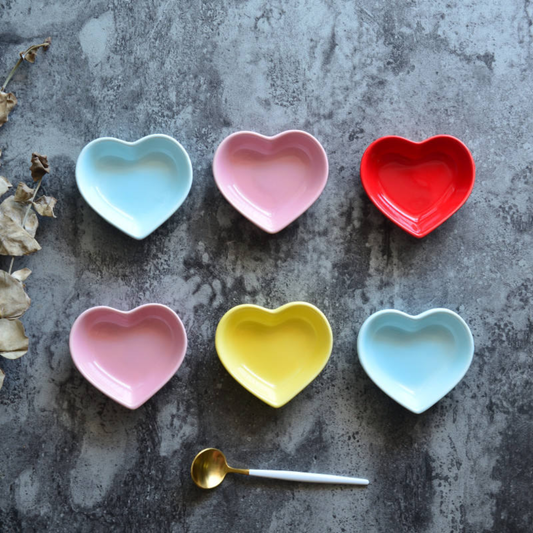
Mini Heart Dip Bowl for Chutney Sauces | 4 Colors | Luxury Serveware
Vendor:Whites & PastelsRegular price From Rs. 299.00Regular priceUnit price per -
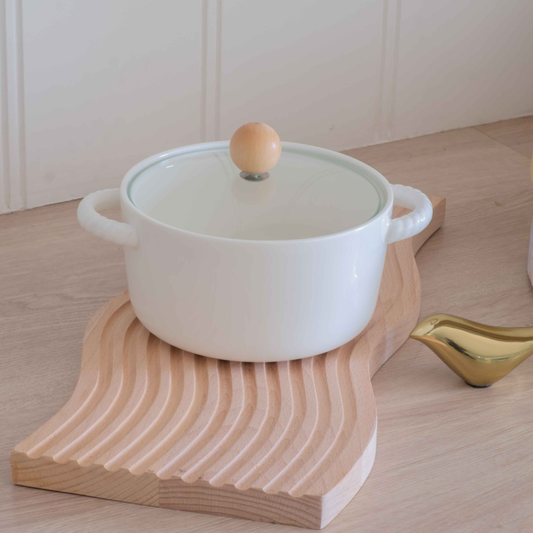
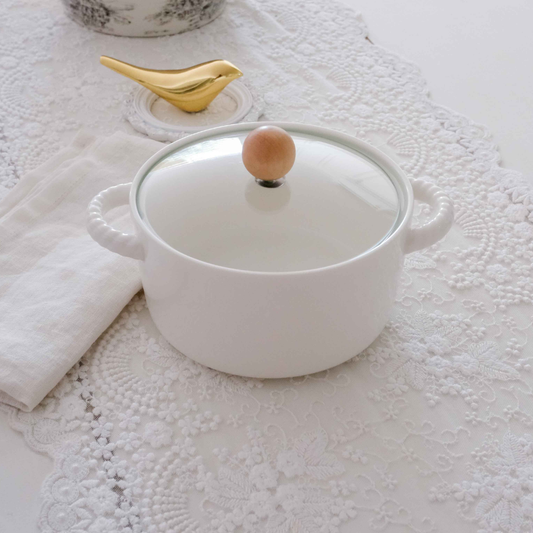
White Ceramic Serving Bowl with Glass Lid & Optional Stainless Steel Spoon – 1500 ml
Vendor:Whites & PastelsRegular price From Rs. 1,230.00Regular priceUnit price perRs. 2,499.00Sale price From Rs. 1,230.00Sale -
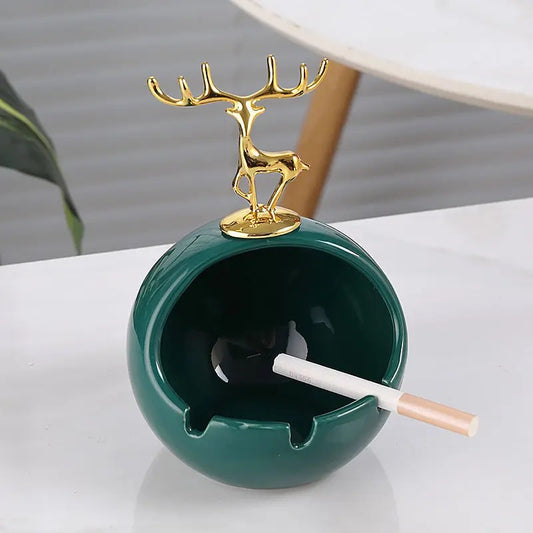
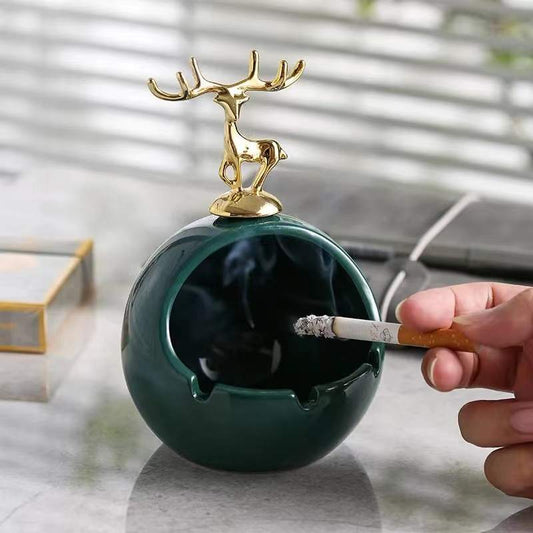
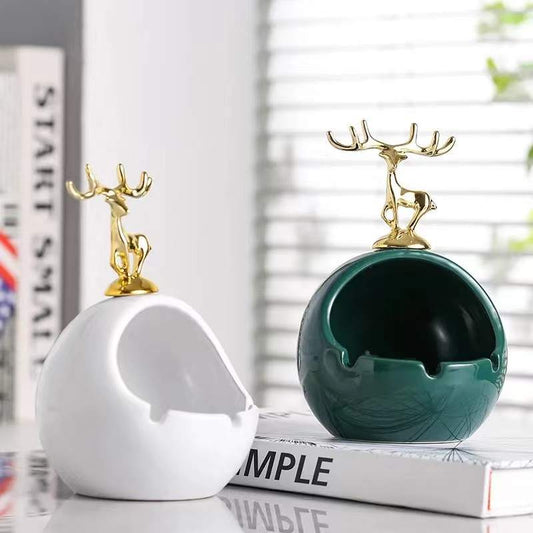
Reindeer Ash Tray- Green
Vendor:Whites & PastelsRegular price Rs. 1,699.00Regular priceUnit price perRs. 2,999.00Sale price Rs. 1,699.00Sale -
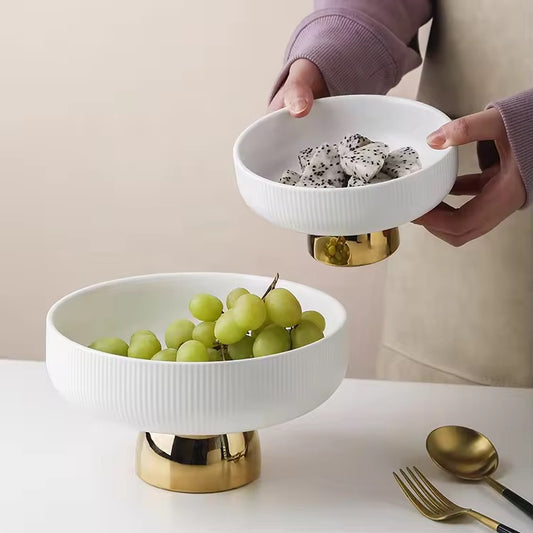
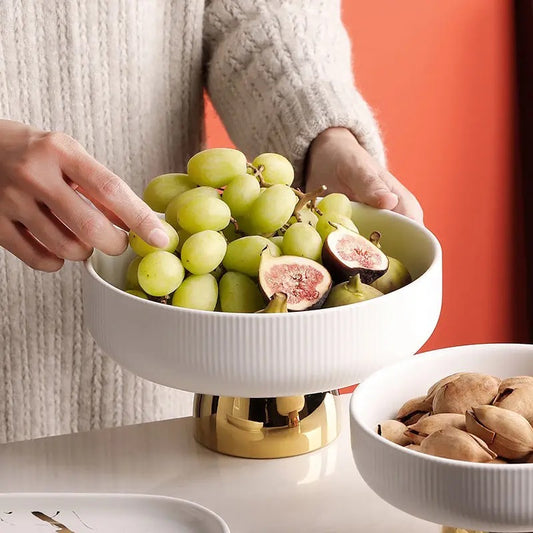
White Porcelain Footed Bowl with Gold Stand | Fruit & Dessert
Vendor:Whites & PastelsRegular price From Rs. 2,699.00Regular priceUnit price perRs. 4,999.00Sale price From Rs. 2,699.00Sale -
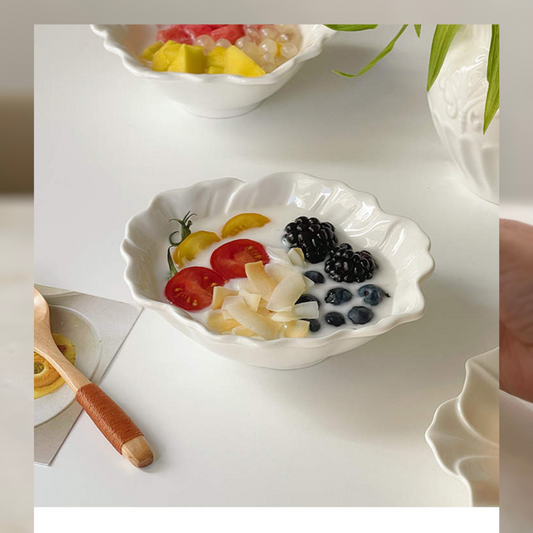
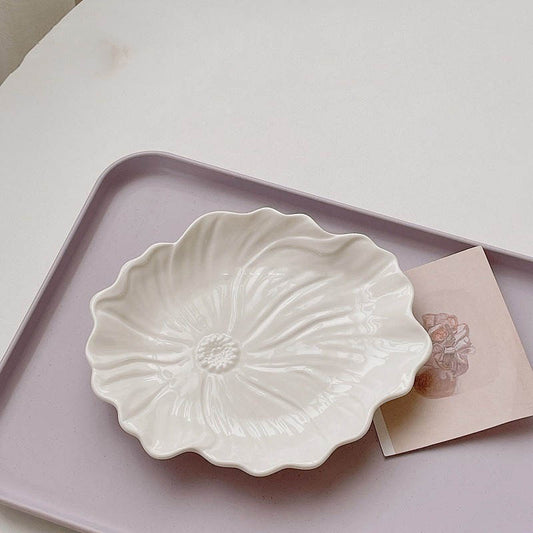
French Embossed Dessert Bowl | Cherry Blossom Flower | Porcelain
Vendor:Whites & PastelsRegular price Rs. 749.00Regular priceUnit price perRs. 1,699.00Sale price Rs. 749.00Sale -
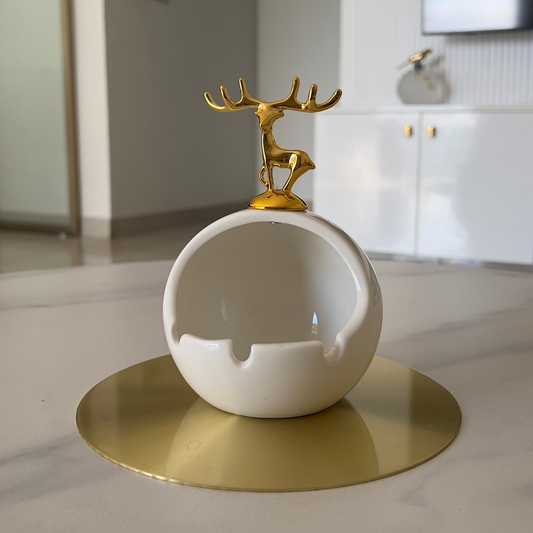
Reindeer Ash Tray - White
Vendor:Whites & PastelsRegular price Rs. 1,699.00Regular priceUnit price perRs. 2,999.00Sale price Rs. 1,699.00Sale -
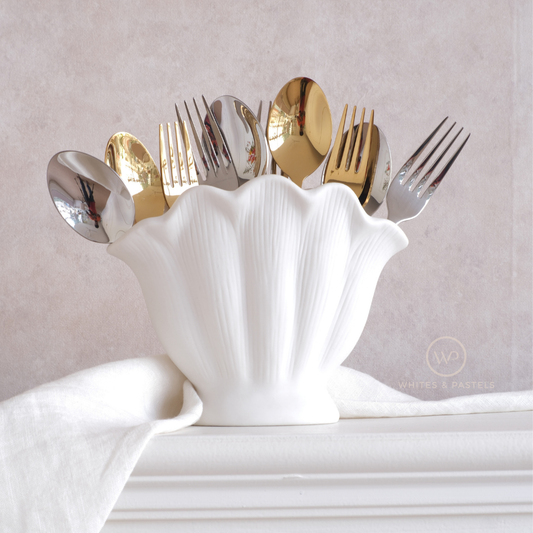
White Shell Cutlery Holder – Matte Ceramic Utensil Stand
Vendor:Whites & PastelsRegular price Rs. 2,800.00Regular priceUnit price per -
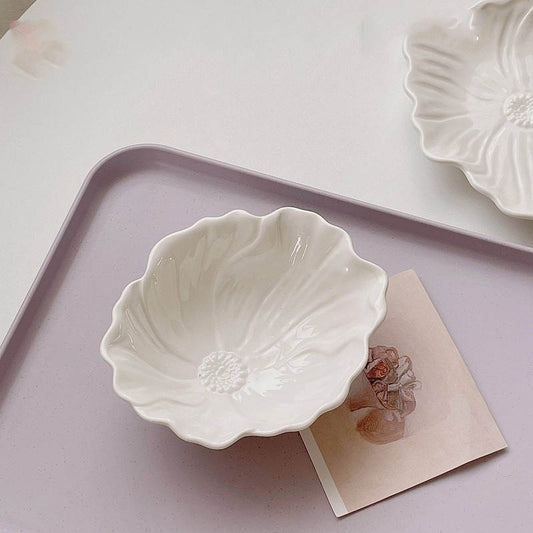
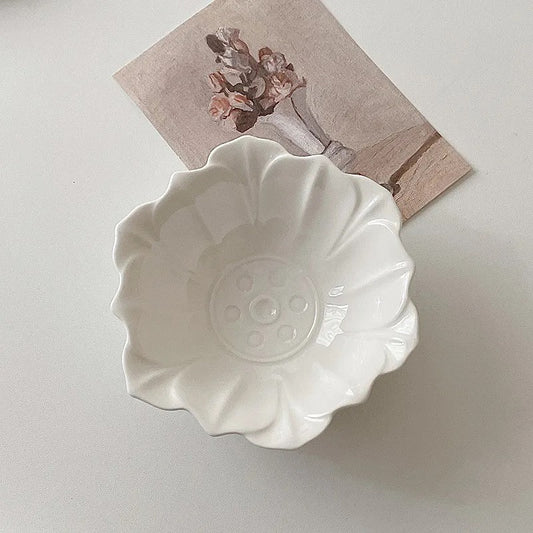
French Embossed Lotus Dessert Bowl - Porcelain
Vendor:Whites & PastelsRegular price Rs. 749.00Regular priceUnit price perRs. 1,699.00Sale price Rs. 749.00Sale -
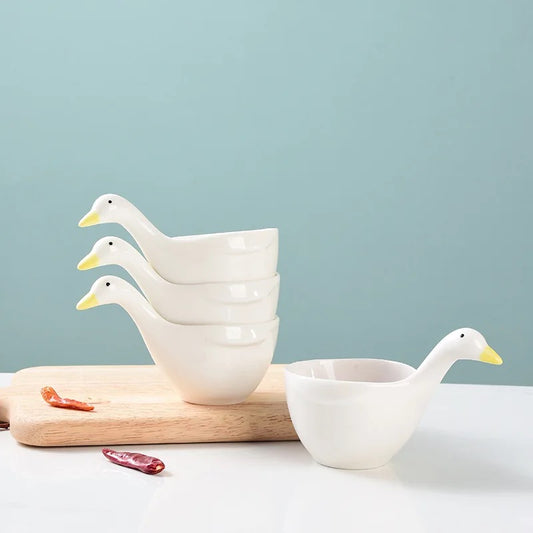
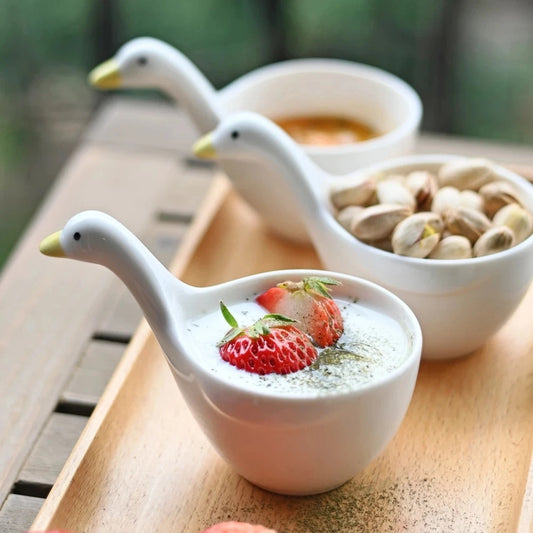
Creative Duck-Shaped Food Bowls – Medium & Large
Vendor:Whites & PastelsRegular price Rs. 1,999.00Regular priceUnit price perRs. 3,999.00Sale price Rs. 1,999.00Sale -
French Embossed Snack Plate | 6 inch | Cherry Blossom Shape
Vendor:Whites & PastelsRegular price Rs. 799.00Regular priceUnit price perRs. 1,699.00Sale price Rs. 799.00Sale -
White Serving Bowl with Flower Glass Lid | 1500 ml | Luxury Casserole Pot
Vendor:Whites & PastelsRegular price From Rs. 1,590.00Regular priceUnit price per -
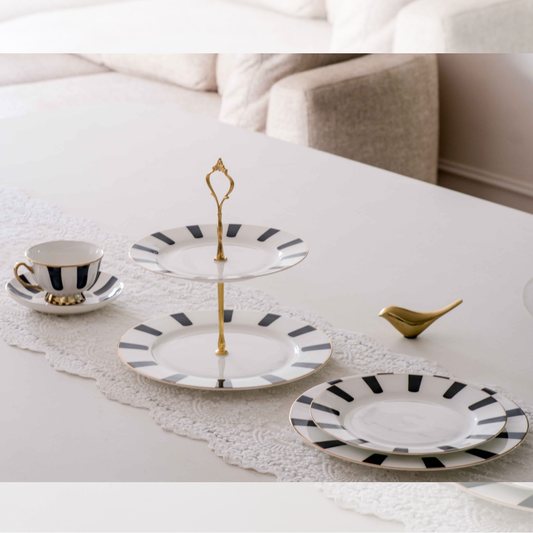
Dinner & Snack Plates | Black & White | 8 inch & 10 inch
Vendor:Whites & PastelsRegular price From Rs. 1,399.00Regular priceUnit price perRs. 1,999.00Sale price From Rs. 1,399.00Sale -
Small Porcelain Ghee Sugar Jar with wooden base & Spoon
Vendor:Whites & PastelsRegular price From Rs. 699.00Regular priceUnit price per -
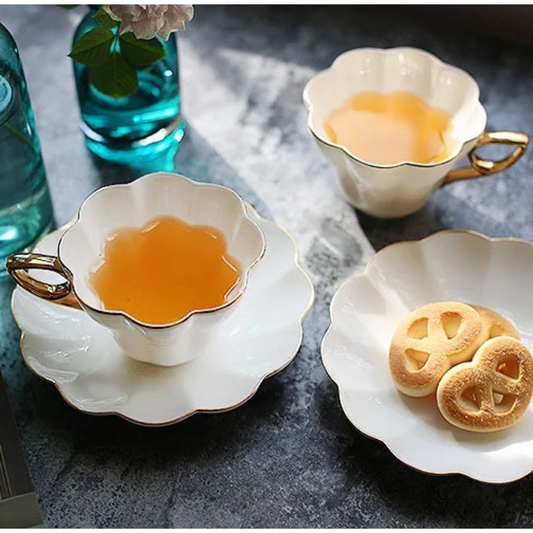
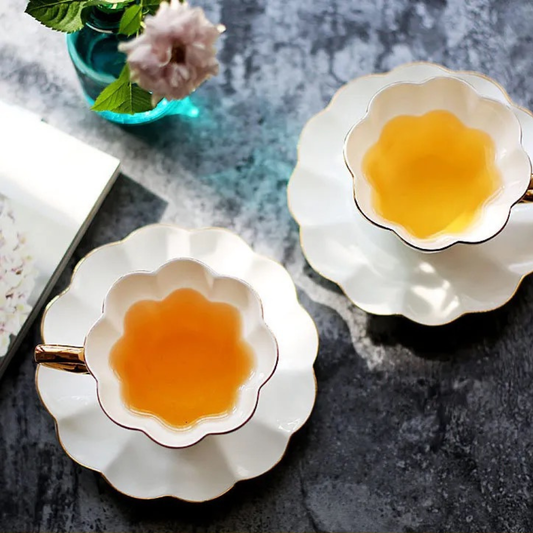
Porcelain Tea Cup & Saucer | Flower Shaped | Gold Rim | Luxury Tea Set
Vendor:Whites & PastelsRegular price From Rs. 1,799.00Regular priceUnit price perRs. 2,299.00Sale price From Rs. 1,799.00Sale
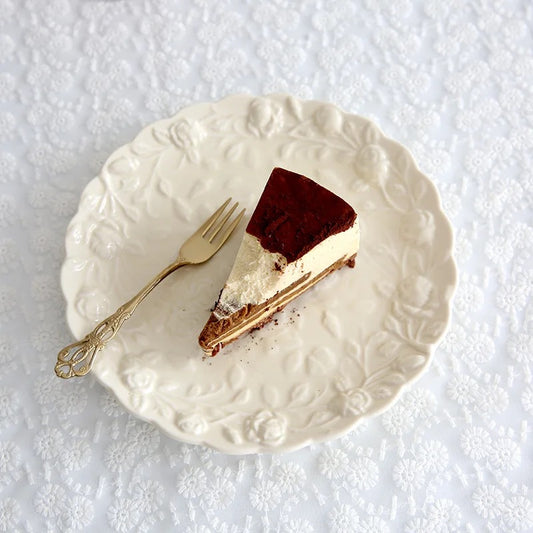
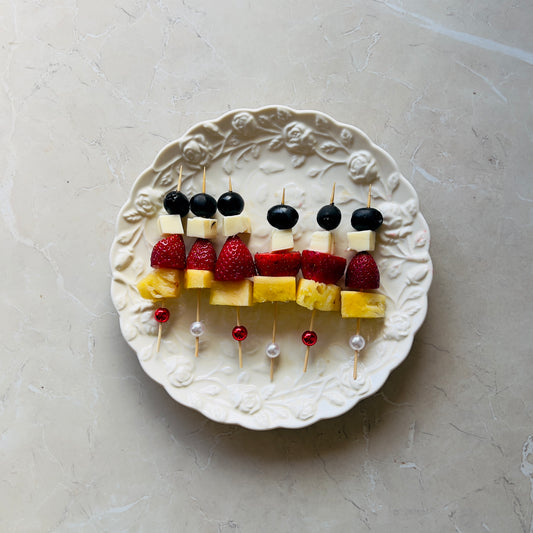


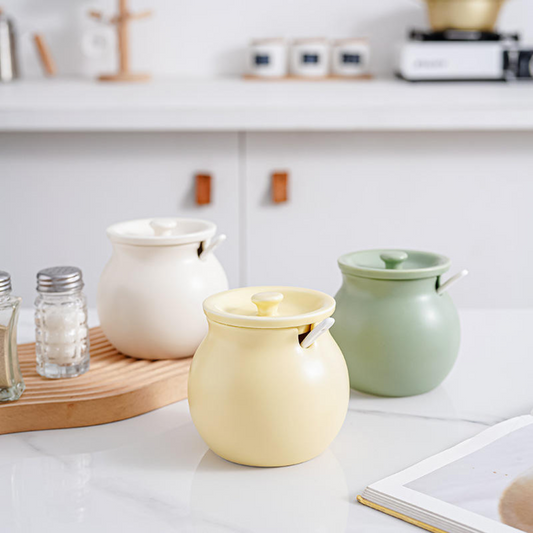
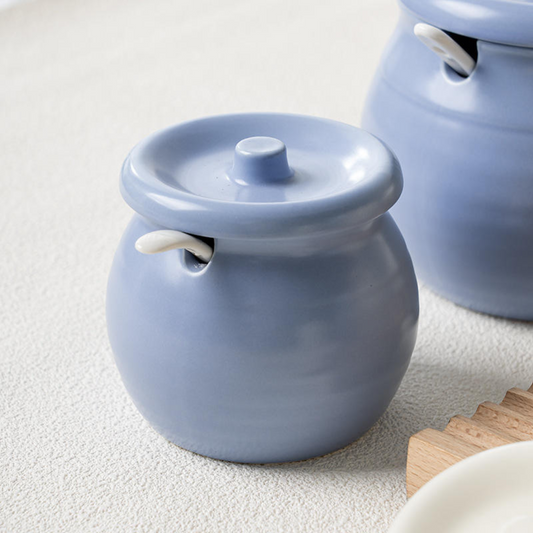
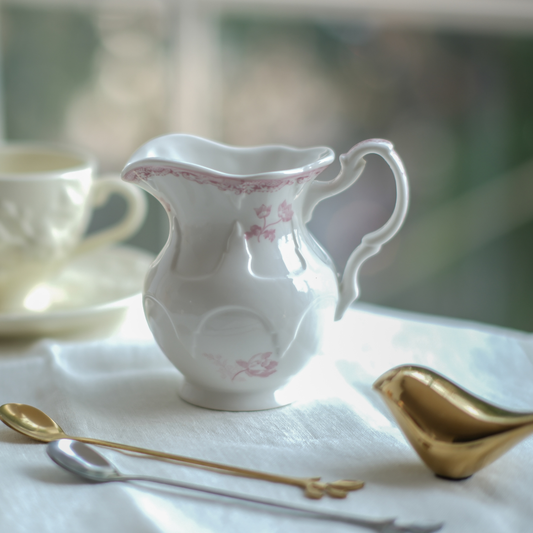
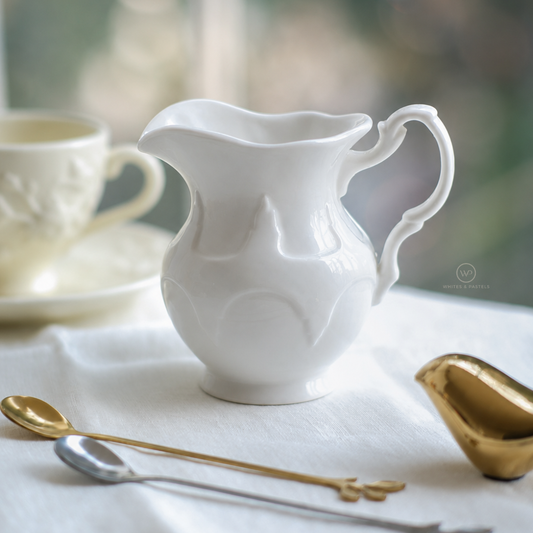
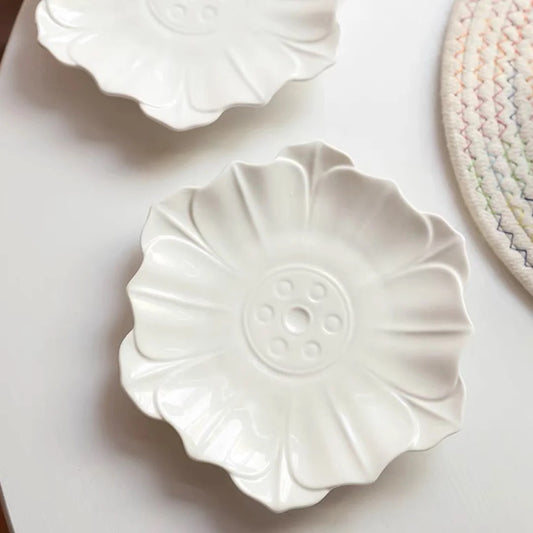
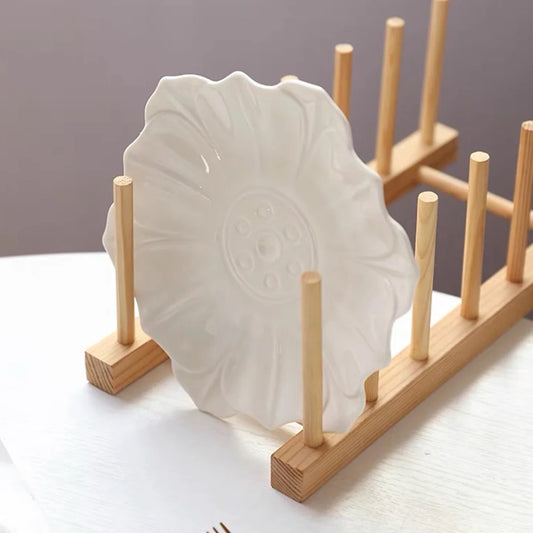

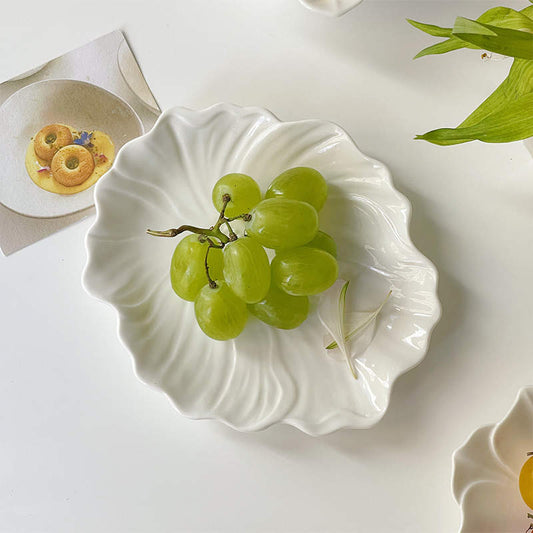
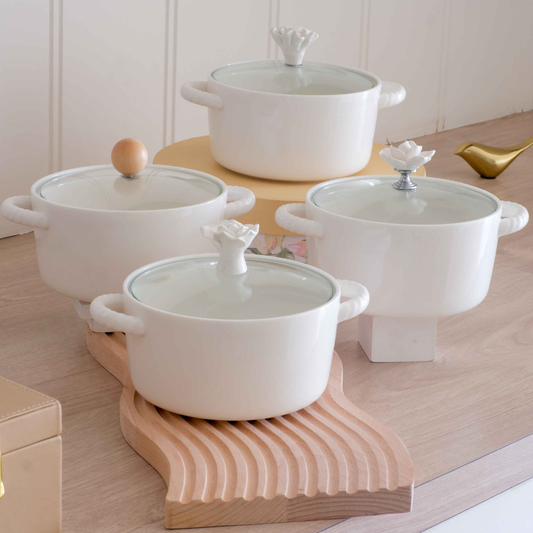
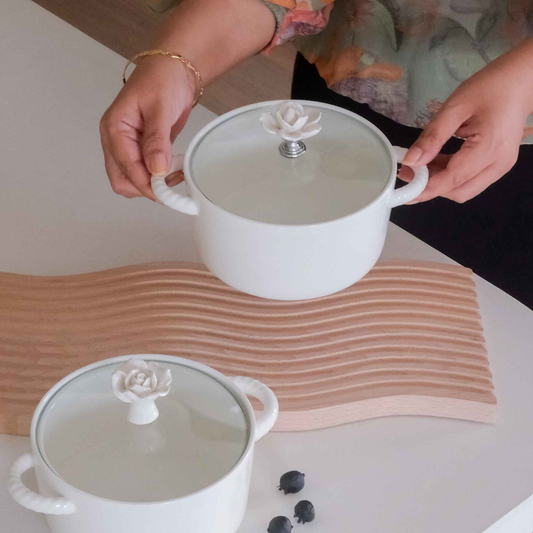

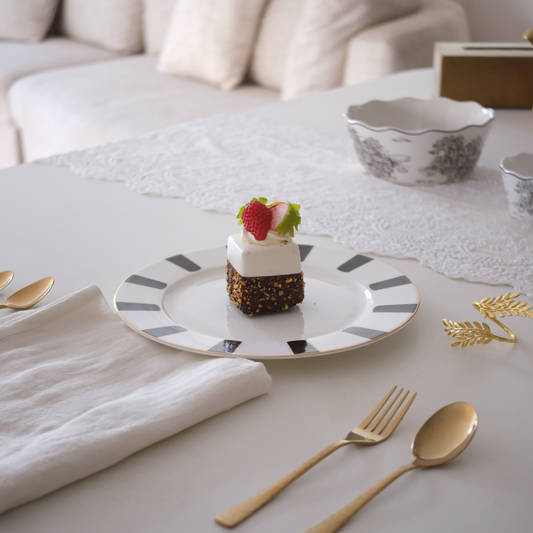
Glazed, embossed and made to be used - ceramic and porcelain for every meal.
Ceramic & Porcelain Crockery
Ceramic crockery is the heart of the Whites & Pastels table. Embossed white porcelain plates, lidded serving bowls, flower-shaped dessert bowls, ghee pots, teapots, cups and storage jars - all glazed for a smooth, easy-clean finish and designed in our signature whites, ivories and soft pastels. This collection gathers every ceramic and porcelain piece we make, from everyday bowls to festive serveware, along with a guide to choosing and caring for them.
Ceramic vs Porcelain - What's the Difference?
| Porcelain | Stoneware | Earthenware | |
|---|---|---|---|
| What it is | Fine clay fired at very high temperatures | Dense clay fired at high temperatures | Clay fired at lower temperatures |
| Look | Smooth, bright white, refined; holds fine embossed detail | Heavier, often speckled or earthy | Rustic, thicker, often colourful glazes |
| Porosity | Very low - resists stains and odours | Low | Higher - relies on its glaze |
| Chip resistance | Good for its thinness | Good, thanks to thickness | Lower - chips more easily |
| Best for | Plates, teacups, dessert bowls, fine serveware | Everyday bowls, mugs, bakeware | Decorative pieces, casual serveware |
Put simply, all porcelain is ceramic, but not all ceramic is porcelain. Most of our crockery is porcelain or glazed ceramic - check each product page for the material.
How to Tell Porcelain from Other Ceramic
- Hold it to the light: thin porcelain often lets a little light through at the edge.
- Tap it gently: porcelain gives a clear, bell-like ring; earthenware sounds duller.
- Check the base: an unglazed foot ring on porcelain is usually white and smooth; earthenware is often coloured and rougher.
- Feel the weight: porcelain feels dense for its thinness.
Shop Ceramicware by Type
| Type | Examples | Full Guide |
|---|---|---|
| Plates | Embossed snack plates, grey dinner plate, black-and-white plates | Plates & Platters |
| Serving bowls | Bowls with glass lids, paper-fold bowl, polar bear bowls | Serving Bowls |
| Katoris & dessert bowls | Lotus and cherry blossom bowls, curry bowls, dal handi, ghee pot | Bowls for Gravy & Dessert |
| Teaware | Embossed teapots, cup and saucer sets, creamer jars | Teaware |
| Jars | Cookie jar, ceramic jar sets, condiment jars | Jars & Snack Bowls |
New in Ceramic
The Black & White Dinner and Snack Plates are porcelain in 8-inch and 10-inch sizes - a graphic alternative to all-white. The Cherry Blossom Dessert Bowl & Plate Set in embossed porcelain suits desserts, side curries and festive sweets, alongside its Lotus twin. For dips and chutneys, the Mini Heart Dip Bowl comes in pink, red, blue and yellow porcelain, and the Duck-Shaped Food Bowls in 150 ml and 270 ml bring a playful touch with a yellow beak and extended neck.
Why Glazed Ceramic Works for Indian Food
- Non-reactive: glazed ceramic doesn't react with tamarind, tomato, lemon or curd.
- Easy to clean: turmeric and oil wipe off a smooth glaze more easily than an unglazed surface.
- Holds heat: thick ceramic keeps dal and curries warm, especially with a lid.
- Doesn't hold smells: a good glaze won't keep the aroma of last night's curry.
What "Microwave Safe" Really Means
A ceramic piece is microwave safe when its body and glaze don't absorb much microwave energy and it contains no metal. Plain glazed porcelain usually qualifies - our Porcelain Ghee Pot, for example, is microwave safe. But three things change the answer:
- Metal of any kind: gold rims, gold lustre, metal stands and metal lids can spark. These pieces must never go in the microwave.
- Hairline cracks: moisture trapped in a crack can heat quickly and widen it.
- Empty heating: never microwave an empty ceramic dish.
Always check the product page. For example, the White Porcelain Footed Bowl with Gold Stand is hand wash only and must stay out of the microwave.
Preventing Chips, Cracks & Crazing
- Avoid thermal shock: don't move a bowl straight from the fridge to a hot microwave or oven, or pour boiling liquid into a cold dish.
- Stack with care: place a paper napkin between embossed plates, and don't stack more than you can lift comfortably.
- Load the dishwasher gently: keep pieces from touching so they don't knock together.
- Watch for crazing: a fine web of cracks in the glaze is usually cosmetic, but a crazed piece is best kept for serving dry food.
- Retire chipped pieces from food use - chips are hard to clean and can grow.
Caring for Ceramic & Porcelain
- Hand wash gold details gently; plain white pieces are usually dishwasher safe - check the product page.
- Soak, don't scrub, for dried-on food.
- Remove tea and coffee stains with a paste of baking soda and water.
- Dry fully before storing lidded pots and jars.
Frequently Asked Questions
Is porcelain better than ceramic?
Porcelain is a finer, denser type of ceramic - smoother, less porous and more stain-resistant, which makes it ideal for plates and teacups.
Is ceramic crockery microwave safe?
Plain glazed ceramic and porcelain usually are, but pieces with gold rims or metal parts are not. Always check the product page.
Why does my ceramic bowl have fine cracks in the glaze?
That's called crazing, often caused by sudden temperature changes. It's usually cosmetic; keep crazed pieces for dry foods.
Is ceramic safe for hot Indian food?
Yes - glazed ceramic is non-reactive and handles hot dal, curries and rice well.
How do I remove tea stains from porcelain cups?
Rub gently with a paste of baking soda and water, then rinse.
What sizes are the black and white plates?
8 inches and 10 inches, in porcelain.
What colours do the heart dip bowls come in?
Pink, red, blue and yellow.


